
Summer
Safety
Tips
Summer is a time for fun, adventure, and making memories, but it's also important to keep safety a priority.
Whether you're spending time outdoors, traveling, or enjoying the pool, taking a few simple precautions can help children stay safe and healthy all season long. Explore our summer safety tips to help your foster family enjoy a safe and memorable summer.
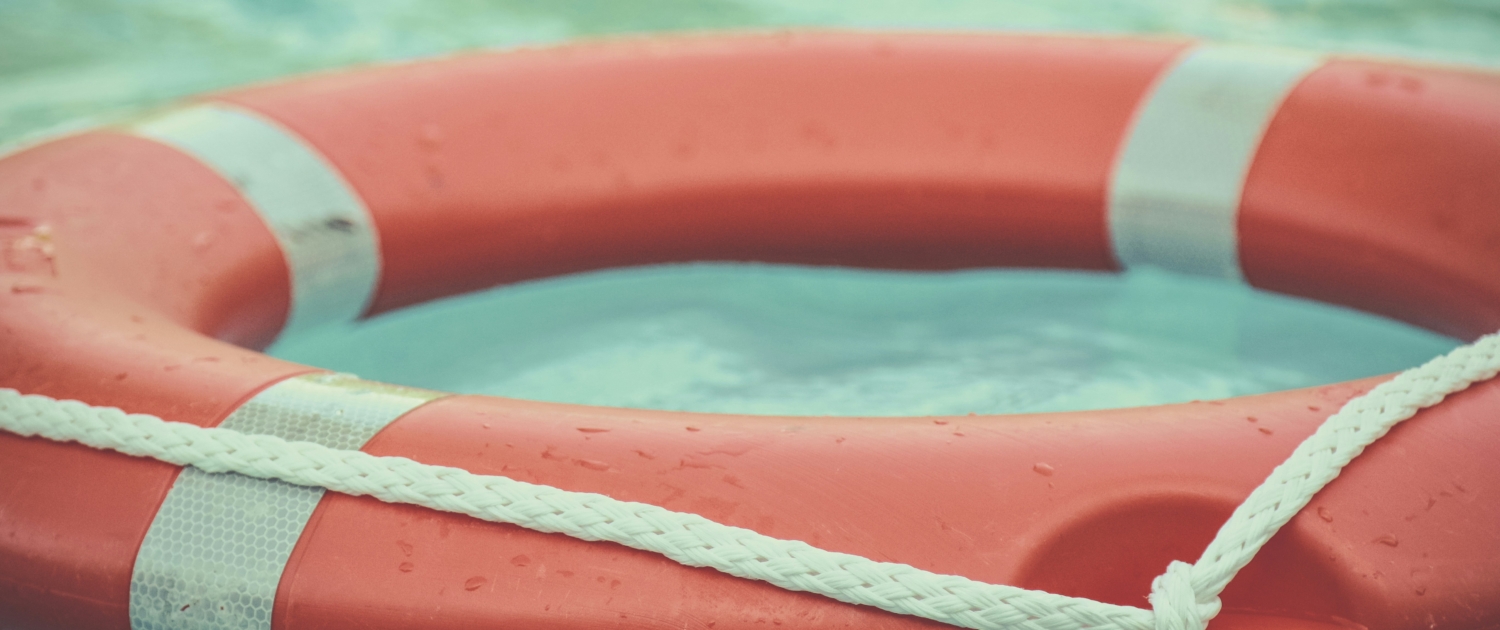
Water Safety
Water safety starts with preventing children from accessing pools, lakes, or other bodies of water without adult supervision. The best protection against drowning includes multiple layers of safety.
Designate a "Water Watcher"
Assign one responsible adult as the dedicated “water watcher,” whose sole job is to continuously monitor children in and around the water. Rotate this responsibility as needed so there is always someone actively focused on supervision.
Adult Supervision
Active adult supervision is essential whenever children are near water. Stay alert and keep children within sight and reach at all times, ensuring they are never left unattended.
Lifeguard on Duty
Whenever possible, choose swimming areas that have a lifeguard present. A supervised, designated swimming location adds an important layer of safety and can help reduce risk.
Heat Safety
Children are especially vulnerable to heat-related illness, which can develop quickly in hot weather. Staying hydrated, taking breaks in cool or shaded areas, and close supervision are key to keeping them safe during high temperatures.
Higher Risk
Young children and infants are more vulnerable to heat-related illness because their bodies heat up faster than adults and they depend on caregivers to regulate their environment and hydration.
Fast Onset
Heat exhaustion and heat stroke can develop quickly in children, especially when they are active outdoors or not drinking enough fluids, making prevention and close monitoring essential.
Prevention
Prevention focuses on keeping children cool, hydrated, and in shaded or air-conditioned environments. Dress children in lightweight, light-colored clothing and schedule outdoor activities during cooler morning or evening hours.
Check your car
A parked car can reach over 120°F within minutes, even on a mild day. Always check the back seat before locking and never leave a child unattended in a vehicle.
Signs of heat exhaustion to watch out for:
Heavy sweating and cool, pale, clammy skin!
Fast, weak pulse or nausea!
Muscle cramps or dizziness!
Fatigue or weakness, move to a cool place immediately and hydrate!
Fireworks
Fireworks can be exciting, but they pose serious safety risks, especially for children. Burns and injuries from fireworks send thousands of people to emergency rooms every year.
Adult Supervision
Children should never handle, light, or be near fireworks without close adult supervision. Designate one responsible adult to manage all fireworks and keep children at a safe distance at all times.
Skipping Fireworks
The safest way to enjoy fireworks is to attend a professional public display. If your area has a burn ban or dry conditions, skip personal fireworks altogether, even sparklers can cause serious burns.
Keep Water Nearby
Keep a bucket of water, garden hose, or fire extinguisher nearby. Soak used fireworks in water before disposing to prevent fires.
Additional Resources
Learn more about fireworks safety from these trusted resources:
Dan Doofus Fools Around with Fireworks and Learns It’s No Holiday
Topics
Foster Care
Firework Safety
Summer Tips
Heat Safety
Resources
Resources
